
Pre-loved · 6 min read
Buying pre-loved: how to shop second-hand without the gamble
By Renosense · 12 September 2026
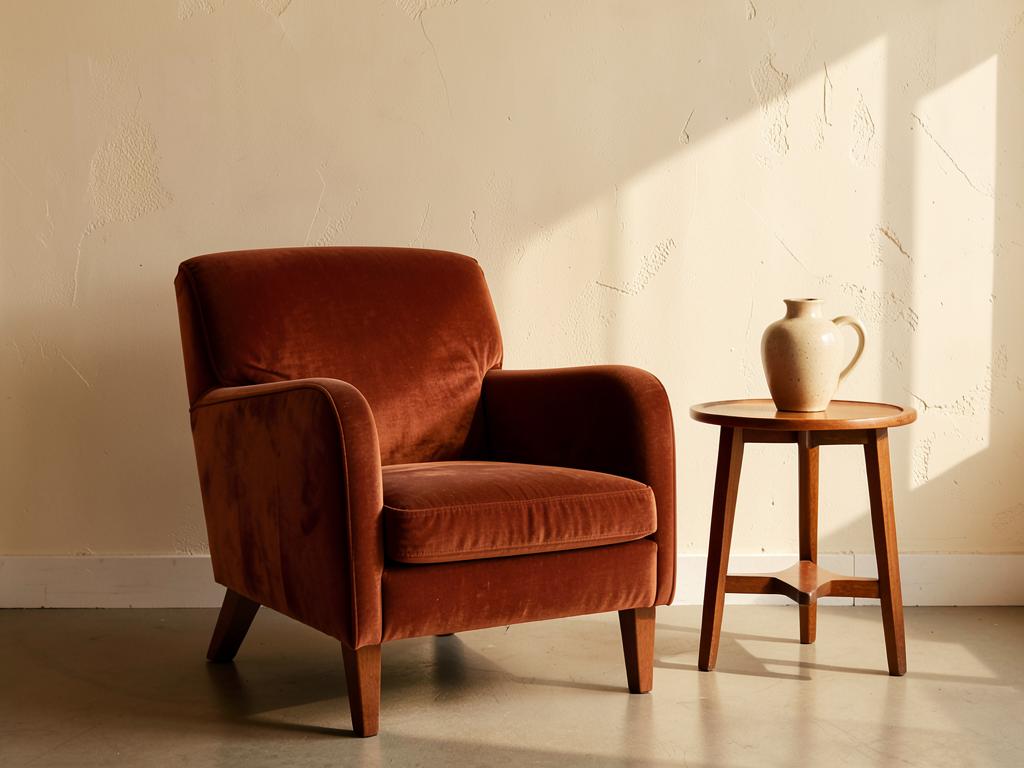
There's a quiet secret at the heart of the best rooms: the piece everyone asks about is usually the one that cost the least. A mid-century sideboard for £120. A solid oak table that will outlive its new owner. Pre-loved isn't a compromise. It's often the highest-quality line in the entire budget.
But it has a reputation for risk: hidden damage, no returns, the long drive to collect a disappointment. Bought well, none of that needs to be true.
What to check before you travel
Ask for photos of the underside, the back, the joints and any damage. Sellers with nothing to hide send them happily. For upholstered pieces, ask about smells, pets and sun fading. For case furniture, drawers tell the truth: dovetailed joints and smooth runners mean quality that new flat-pack simply doesn't have.
Measure twice, obviously, and measure the route in. The doorframe, the turn on the stairs, the lift. More pre-loved purchases die in hallways than in showrooms.
What to pay
A working guide: well-made, unbranded pieces often sit at 20–40% of their original price; sought-after makers hold 50–70%; true design classics can exceed retail. Check what similar pieces have actually sold for, not what sellers are asking. Asking prices are optimism, sold prices are evidence.
And negotiate kindly. Most sellers just want the piece gone to a good home; a polite, prompt, definite buyer gets the discount.
The sustainability dividend
Every pre-loved piece is one fewer new thing manufactured, shipped and eventually landfilled. Furniture is one of the least-recycled categories of household waste, and the carbon cost of a new sofa is measured in the hundreds of kilos. Buying second-hand is the single greenest decision a renovation can make, and it usually comes with better materials than the new equivalent.
Re-Love, the Renosense way
We built Re-Love into Renosense to make this the easy default rather than the exception, with one principle hardcoded in: every Re-Love sale gives 5% to Shelter, the housing charity. A home that costs the earth less, and gives something back, every single time.
And when you're ready to pass a piece on, your Renologue already holds its story, including what you paid, when and its condition, so re-loving it later takes minutes, not an afternoon.
Keep every piece's story
Save, track and re-love the pieces in your home, with 5% of every Re-Love sale going to Shelter. Free during beta.
Create your account