
Rules & consent · 8 min read
Listed buildings and conservation areas: what consent actually means
By Renosense · 12 September 2026
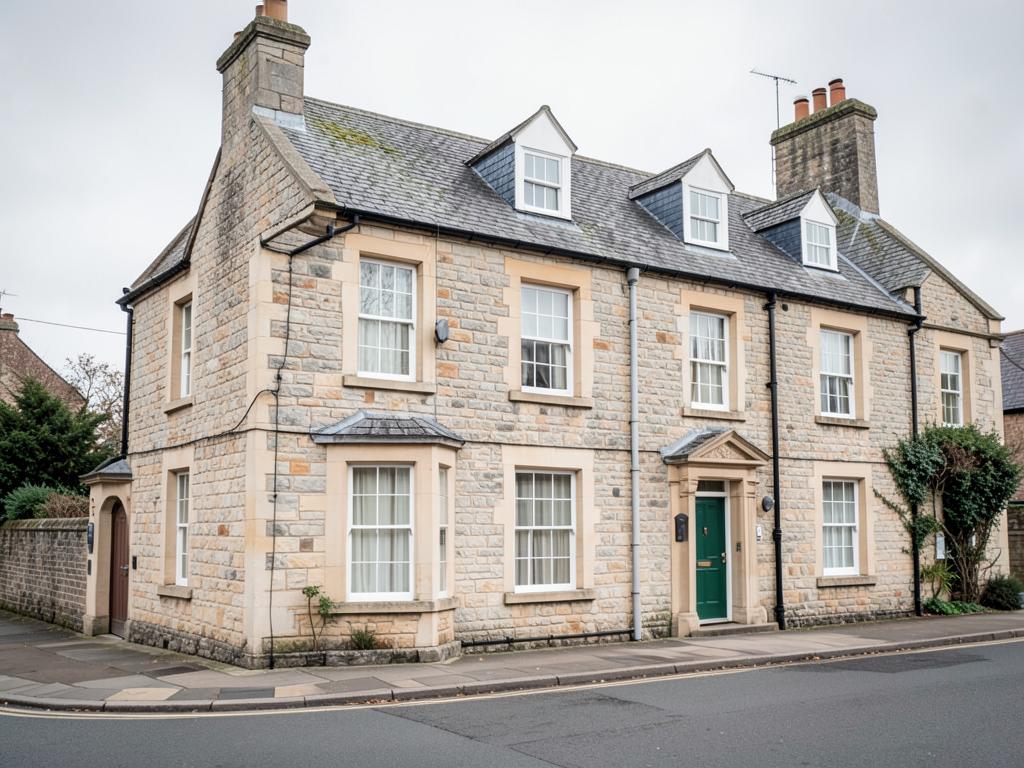
If your home is listed, or sits in a conservation area, you'll have heard the horror stories: forbidden windows, rejected paint colours, enforcement letters. The reality is calmer. Listing protects the character of a building, not its frozen point in time. Consent exists to make changes well, not to stop them.
The key is knowing which regime applies to you, and checking before you commit, not after.
Know what your home is
In Wales, listing is administered by Cadw; in England, by Historic England (with Historic Environment Scotland and the Department for Communities in Northern Ireland running their own systems). Grades differ slightly by nation, but the principle is shared: the more significant the building, the closer the scrutiny.
A conservation area is different again. It's the neighbourhood that's protected rather than your specific house. Controls typically cover demolition, some cladding, and sometimes windows or trees. Your local planning authority holds the definitive map, and most have an online checker. If you're not sure which regime applies, that uncertainty is itself worth recording and resolving before you spend anything.
What usually needs consent
For listed buildings, the rule of thumb is broad: listed building consent is needed for any work that affects the building's character, inside as well as outside. That can include extensions, removing internal walls, replacing windows, and sometimes even seemingly small alterations. Like-for-like repairs in matching materials are often fine, but 'often' is doing heavy lifting. Always check.
In conservation areas, the common triggers are demolition, certain roof and cladding changes, and work to trees. Permitted development rights (the things you can normally do without planning permission) are frequently narrower or removed entirely.
The good news: consent is a conversation
Conservation officers are not adversaries. Early, informal conversations about what you're hoping to do regularly save months of redesign. Applications that show you understand the building, including its materials, proportions and history, are welcomed, and usually approved with sensible conditions.
Structural work sits alongside all of this: building regulations approval is separate from listed or planning consent, and you may need both. Keep a note of every conversation, consent and condition with the project itself. When you sell, remortgage, or start phase two, that paper trail is gold.
Plan around it, don't fight it
The homeowners who thrive in listed buildings treat consent as a design brief. Original fabric stays where possible; changes are reversible where sensible; new work is honest and of its time. The result is usually a better renovation, and a home whose value is protected by the same rules that constrained it.
Renosense keeps this simple: flag your home as listed, in a conservation area, or not sure, and we'll gently surface the right reminders whenever you plan structural changes, with links through to Cadw, Historic England and your local authority, right where you're making decisions.
Keep your home's rules with your plans
Renosense remembers your home's status and nudges you at the right moments. Free during beta.
Create your account